Brampton food safety and commercial cleaning experts help you keep dining establishments, food distribution centers, baking facilities, warehouses, and mobile food operations clean to code. They disinfect high-touch points, food preparation areas, equipment, floors, drains, restrooms, and food prep areas using approved chemicals, correct dilution, and documented contact times. in maintaining dining venues, commissaries, baking operations, warehouses, and food service units to code. They sanitize frequently touched areas, food-contact surfaces, equipment, floors, drains, restrooms, and prep areas with approved chemicals, correct concentration, and documented exposure durations.
Key Takeaways
- Food safety cleaning experts from Brampton assist restaurants, grocery departments, commissaries, warehouses, bakeries, schools, mobile vendors, and allergen-sensitive operations.
- Cross-contamination prevention is ensured by sanitizing frequently contacted areas, food-contact equipment, kitchens, floors, drains, restrooms, and storage areas with sectional methods.
- Approved sanitizer dilution, suitability, and contact time are verified by certified specialists, with conclusion filed via swabs, inspections, and corrective-action records.
- Risk, production volume, switches, accidents, and standards should shape sanitation calendars, with everyday, periodic, and annual operations distributed by area.
- Coverage, colour-coded implements, hazard analysis knowledge, public-health understanding, safety training training, testimonials, and compliance-ready sanitation paperwork are important contractor traits.
Which Brampton Venues Need Food Safety Cleaning?
You must comply with food safety cleaning if your operation is regulated by health inspections, food codes, or HACCP protocols. This covers restaurants, cafeterias, commissaries, grocery food departments, butcher shops, seafood counters, convenience stores, and institutional kitchens.
Proper sanitation protocols is also needed in storage warehouses, production plants, freezer facilities, bakeries, school nutrition services, reception halls, and meal delivery centers. Mobile and temporary establishments are included, including mobile kitchens, market vendors, and seasonal booths. Your venue demands recorded sanitation procedures should your team work with ingredients, section finished dishes, heat items, or keep allergens organized. In Brampton, cleanliness is not discretionary; it constitutes regulatory, business, and safety requirements.
What Services Do Brampton Cleaning Experts Provide?
Your facility requires professional cleaners who disinfect frequently contacted surfaces, cooking and food prep areas, all floor types, and toilet facilities to maintain food safety compliance and public health standards. These specific areas are emphasized because they represent the most significant contamination risk, hazardous walking conditions, and violations of hygiene standards.
If you grasp what they sanitize, you'll be able to confirm your operation satisfies required operational and regulatory standards.
Important High-Touch Surface Disinfection
determine how periodically each surface is sterilized
technical guidelines and industry regulations to ensure desired results. Professionals can apply surface swabbing to verify disinfection results
Cooking Zones, Walking Surfaces, and Restroom Environments
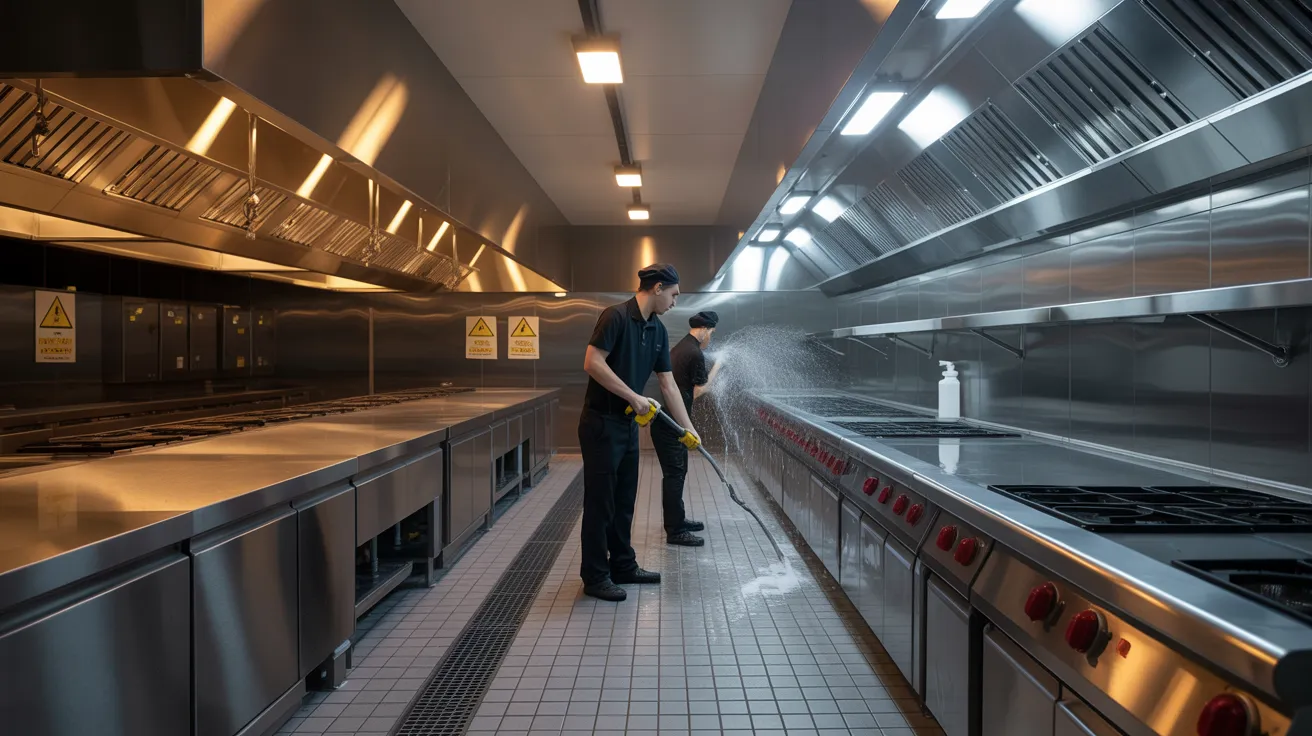
Brampton cleaning professionals will handle kitchens, floors, and restrooms since each space presents different food safety concerns, injury, and public health challenges. In industrial kitchens, you need grease removal from cooking stations, appliance surfaces, drain systems, preparation areas, and backsplashes to minimize contamination and pest pressure.
Floor care that is documented should also be anticipated. Technicians clean and remove buildup from tile grout, ceramic surfaces, and vinyl floors, then apply correct drying techniques so you can reduce slip incidents and meet regulatory standards. They also handle entry points where dampness and dirt enter the building.
Restroom sanitation involves disinfecting surfaces, fittings, separators, dispensers, and containers, restocking supplies and controlling odours. They also maintain restaurant cleaning supply rooms where product storage, sink cleanliness, and drain systems impact daily sanitation standards and worker protection.
Food Safety Cleaning Significance for Brampton Businesses
Brampton businesses need to implement proper sanitation practices for satisfying legal standards and passing inspections. You also reduce cross-contamination by cleaning and sanitizing food-contact surfaces, equipment, and high-touch areas correctly. Most importantly, you safeguard public health by lowering the risk of foodborne illness in your facility.
Sanitary Standards Adherence
Since Brampton food operations must follow rigorous sanitary regulations, your cleaning procedures directly affects your capacity to satisfy health codes, protect diners, and avoid regulatory penalties. You must maintain hygienic food handling zones, recorded sanitation plans, proper chemical use, and documented employee protocols that correspond to municipal and provincial inspection expectations.
Failure to maintain cleaning standards creates risks infractions, corrective directives, loss of reputation, and operational suspension during further inspections or enforcement actions.
Cross-Contamination Prevention
Following regulatory requirements depends on your ability to prevent cross-contamination in routine food work and sanitation. You must separate raw ingredients from ready-to-eat foods, disinfect work areas after use, and store chemicals away from food-contact items. Clear procedures reduce transfer risks and promote steady regulatory adherence.
Building allergen segregation prevents key allergens from reaching common workstations, storage, or apparatus. Leverage separate cutting boards, colored implements, and precise instrument labeling so team members won't blend products in cooking or serving.Mandate hand cleaning following uncooked meats, shellfish, egg items, or allergen substances. Refresh cleaning cloths frequently, and confirm sanitizer strength with test strips. When your team follows these practices each shift, you create a cleaner, safer operation that exceeds Brampton's safety standards consistently.
Public Wellness Defense
When sanitation efforts deteriorate, you don't only risk a failed inspection—you expand the chance of foodborne illness striking customers, staff, and the larger Brampton community. You also undermine your responsibility in protecting public health, especially in high-traffic food premises where pathogens travel quickly through surfaces, equipment, and touchpoints.
You must establish sanitation protocols that remove contaminants, disinfect correctly, and confirm effectiveness. This involves adhering to contact periods, employing authorized sanitizers, documenting procedures, and instructing staff to satisfy regulatory standards. These mechanisms support pathogen reduction by limiting pathogens before reaching food or hands. Across Brampton, strong cleaning safeguards vulnerable groups, limits outbreak risk, and demonstrates accountability. When you follow standards, you exceed regulations—you substantially lower hazards and enable safer food service throughout the area.
How Does Cleaning Support Food Safety Compliance?
Upholding thorough cleaning protocols bolsters food safety compliance by decreasing contamination threats, preventing pathogen multiplication, and positioning your facility in accordance with sanitation requirements under HACCP-based programs and public health regulations. You verify that product-contact areas are visibly clean and microbiologically controlled, backing documented preventive controls and inspection readiness.
Comprehensive cleaning additionally reinforces allergen mitigation by clearing residues that can trigger undeclared allergen exposure. When you combine approved sanitation protocols with standards training, your staff can execute uniform procedures, use approved chemicals accurately, update records properly, and address deviations ahead of escalation occurs. Consistent cleaning promotes traceability, validates remediation efforts, and demonstrates due diligence when audited. Additionally, it assists you maintain quality assurance, maintain compliance standards, and decrease the risk of compliance actions, mass recalls, formal complaints, and unnecessary health dangers.
When Should You Arrange Commercial Cleaning?
Routines for cleaning are most successful when developed based on risk assessment, output volume, and compliance standards instead of just a predetermined calendar.
Schedule drains, ventilation, storage racks, and hard-to-reach areas every week or every month, using inspection results and sanitation documentation.
Finding Quality Brampton Cleaning Experts: A Guide
Evaluate providers first by food-safe sanitation requirements rather than price alone. You must ensure each provider understands CFIA, public health, and HACCP requirements for your business. Request proof of insurance, WHMIS compliance, staff training documentation, and supervision methods. Check technician awareness of contamination prevention, chemical safety, and documented sanitation practices.
Additionally, you need to evaluate service dependability and accountability. Obtain references from food facilities in Brampton, then review service speed, corrective-action procedures, and communication standards. Verify the company conducts supplier reviews and can deliver compliance-ready records when inspectors or external parties need proof. Verify equipment is maintained, colour-coded tools are applied correctly, and location-specific dangers are identified. A qualified provider protects compliance, product integrity, and your brand reputation.
What's covered in a sanitation cleaning strategy?
Create a documented strategy that clarifies every sanitation responsibility, standard, and task before production begins. You should outline cleaning frequencies, approved chemicals, dilution rates, contact times, tools, and verification methods for each zone, surface, and piece of equipment. Include pre-operational inspections, corrective actions, and employee training requirements.
Your plan should also cover contamination prevention, garbage management, pest control procedures, and recorded timelines for bathrooms, drainage systems, surfaces, and food-preparation zones. Explain how you'll separate raw and ready-to-eat processes, enable ingredient tracking, and ensure accurate allergen labeling through validated cleaning between product changes. You should designate accountability, maintain signed records, and review results against regulatory standards, HACCP controls, and customer requirements. When gaps appear, revise procedures immediately and retrain staff.
Commonly Asked Inquiries
Are sanitation providers available for overnight shifts in Brampton facilities?
Yes, you can contract sanitation providers to handle overnight shifts in Brampton facilities. You'll manage overnight sanitation around production schedules, security controls, and staffing levels. Providers generally establish overnight procedures to prevent disruption, maintain standards, and log completed work. You should verify response times, management, lockout protocols, and disposal methods before service starts.
Can Brampton cleaning experts manage emergency spill response?
Yes, you can locate several Brampton sanitation experts offering emergency response options. They manage hazardous materials, evaluate risks, isolate zones, and execute rapid cleanup to minimize risk and limit operational impact. You should confirm timeframes, certifications, safety measures, and procedures. If your facility must meet standards, choose a service that logs events, follows procedures, and ensures verification.
Do eco-friendly disinfectants function safely on food preparation areas?
Absolutely, eco-friendly disinfectants can be appropriate for food-handling equipment when you select solutions certified for food use and regulatory compliant. You must confirm contact times, concentration levels, and rinse procedures in advance of use. Botanical formulations reduce chemical burden, though you should gather confirmation of performance against harmful bacteria. For maintaining residue free surfaces, implement manufacturer directions precisely and ensure your disinfectant complies with relevant food safety standards.
Can cleaning plans change with production fluctuations?
Without question, sanitation programs customize readily for seasonal shifts. Modify timing, personnel, sanitizers, and testing procedures to correspond to seasonal workflows while upholding regulatory adherence. Decrease equipment downtime by planning disinfection amid equipment transitions, high demand periods, and usage patterns. Also update standard operating procedures, employee training, and environmental testing to address periodic risks, additional allergens, or higher contamination levels. Periodic assessments preserve the strategy effective.
Are professional cleaning companies providing staff training on sanitation best practices?
Absolutely, professional cleaning companies frequently provide employee education on sanitation best practices. Your team gets instruction on correct chemical handling, contact times, cross-contamination prevention, machine takedown, and paperwork. They typically align guidance with HACCP, GMP, and CFIA or regional health authority requirements. Many conduct health inspections to verify compliance, pinpoint weaknesses, and reinforce corrective actions. This enables you to sustain consistent procedures, clear audits, and lower contamination dangers routinely.
Closing Remarks
Partnering with Brampton food safety and commercial cleaning experts goes beyond tidying—it ensures your facility meets inspection expert guide standards and your standards are defensible. From kitchen areas to production zones, each cleaned area and organized section lessens contamination risk and prevents major expenses. By arranging service on appropriate schedules and implementing a thorough cleaning program, you protect staff, your customers, and your image. In a heavily regulated sector, sanitary conditions can't be overlooked—they're critical to business success.
Comments on “Commercial Sanitation Services”